5 Reasons Drivers With Cloudy Headlights Are Skipping the $1,000 Replacement for a Spray-On Ceramic Kit
The sun burns the protective coating off your lenses, and the bare plastic underneath oxidizes into a frosted amber film that scatters your beam before it reaches the road. Polishing strips the film and leaves the plastic naked — which is why cheap fixes fade back. This kit lifts the film, then seals the lens under a ceramic coat, and the result is covered by a 30-day money-back guarantee.
That Frosted Film Is Scattering Your Beam Before It Reaches the Road
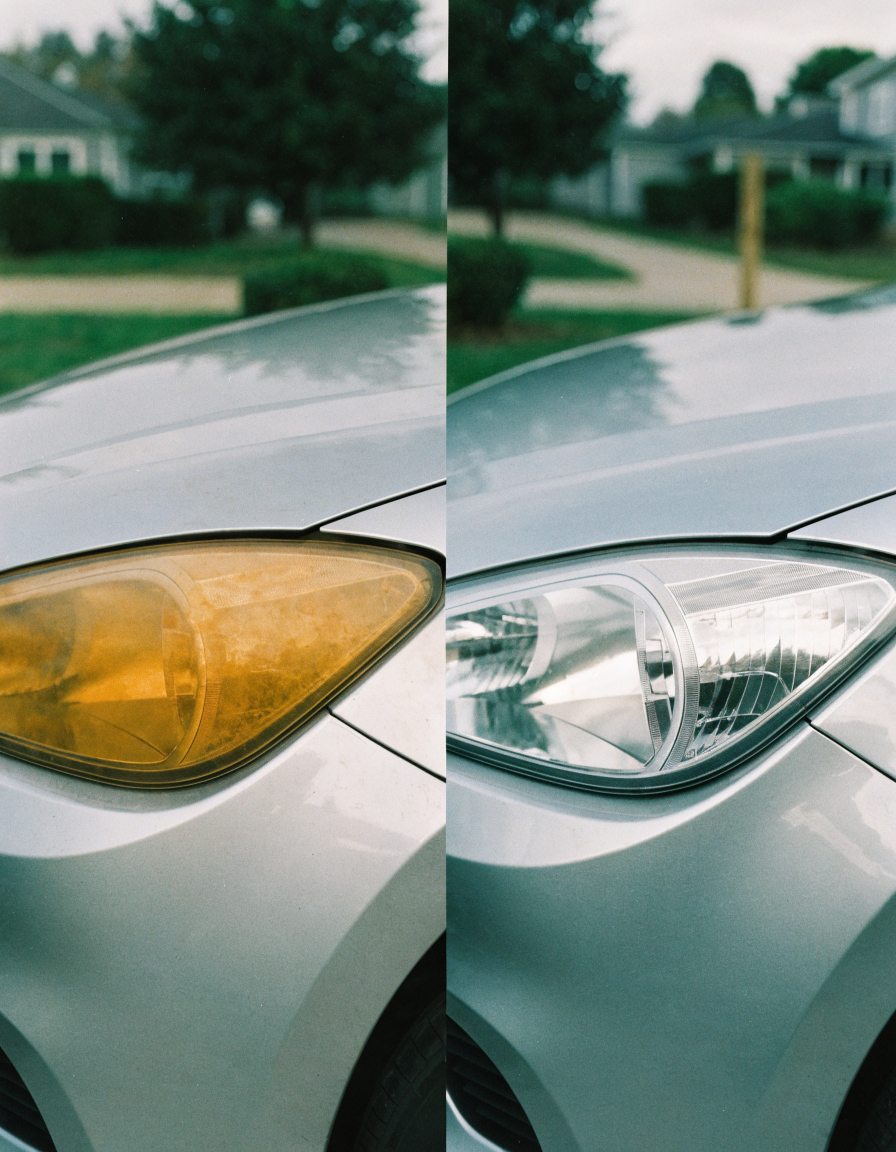
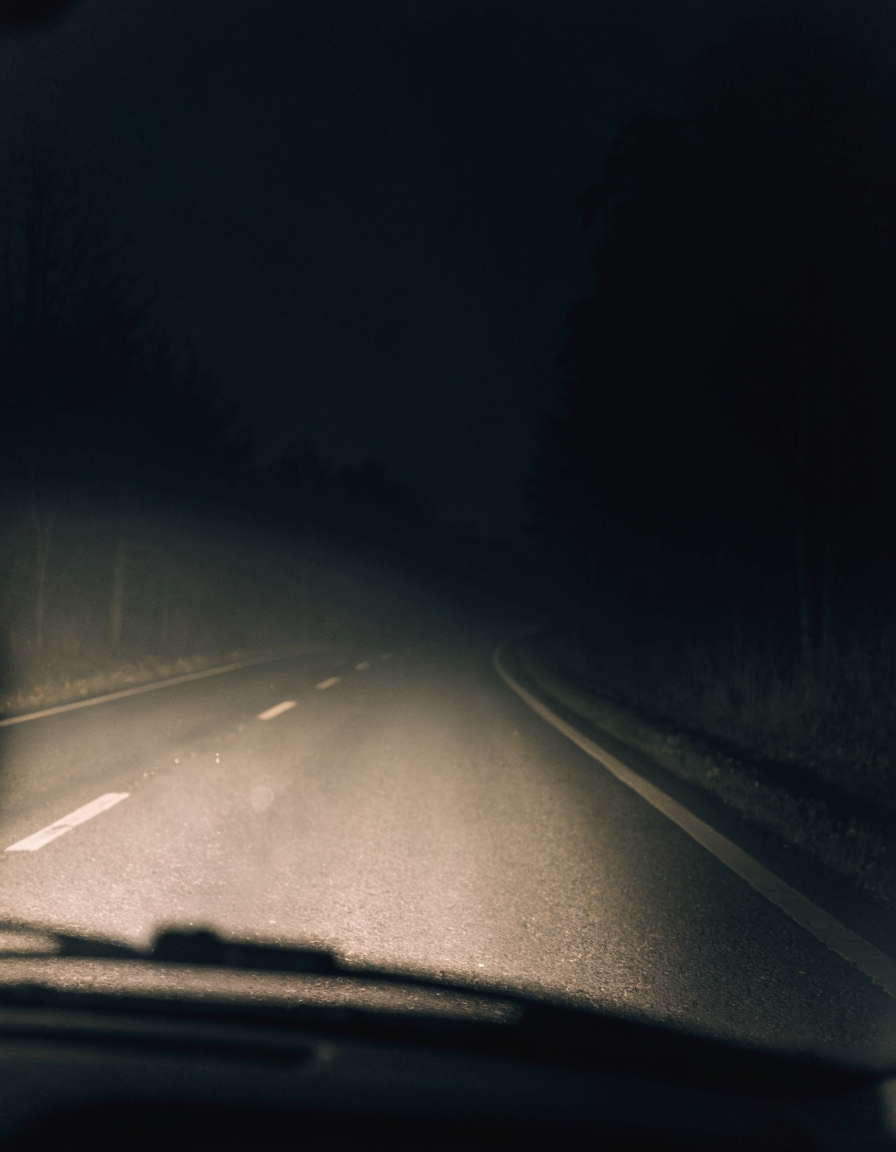
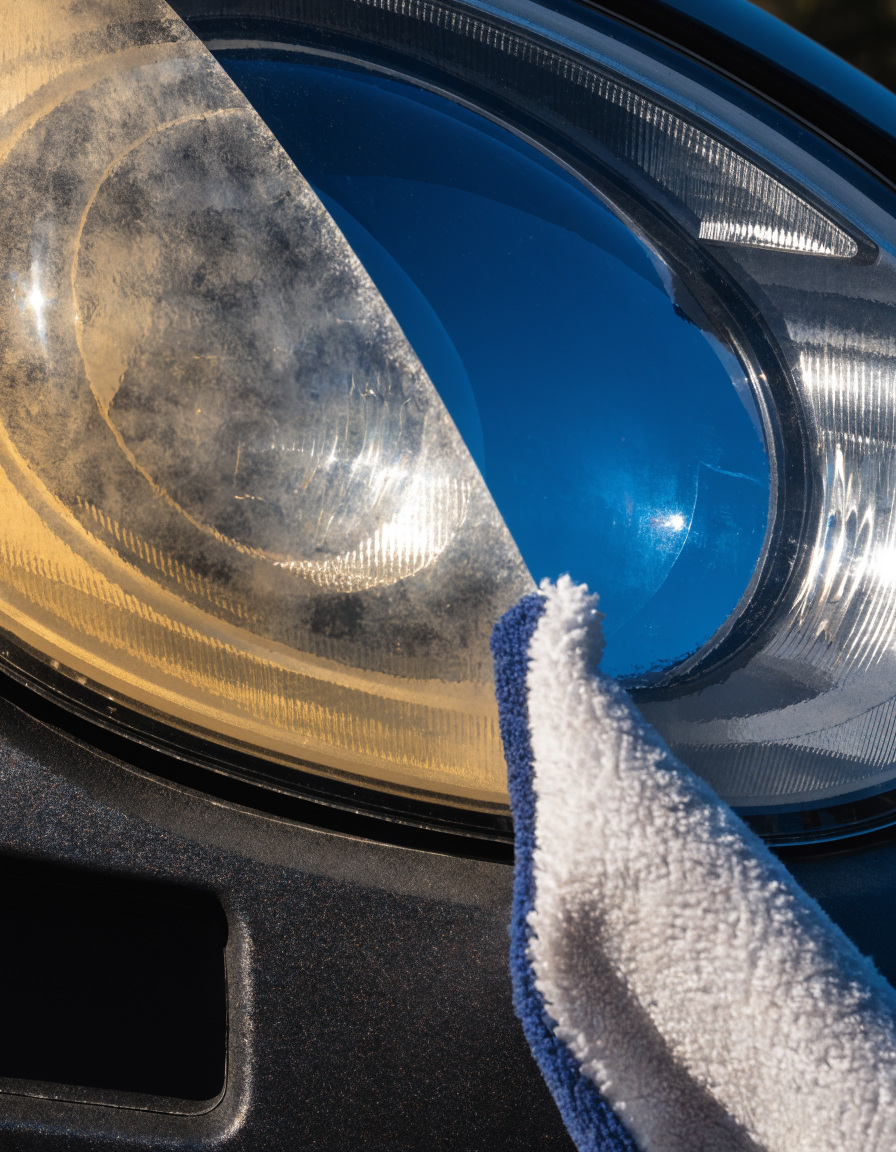
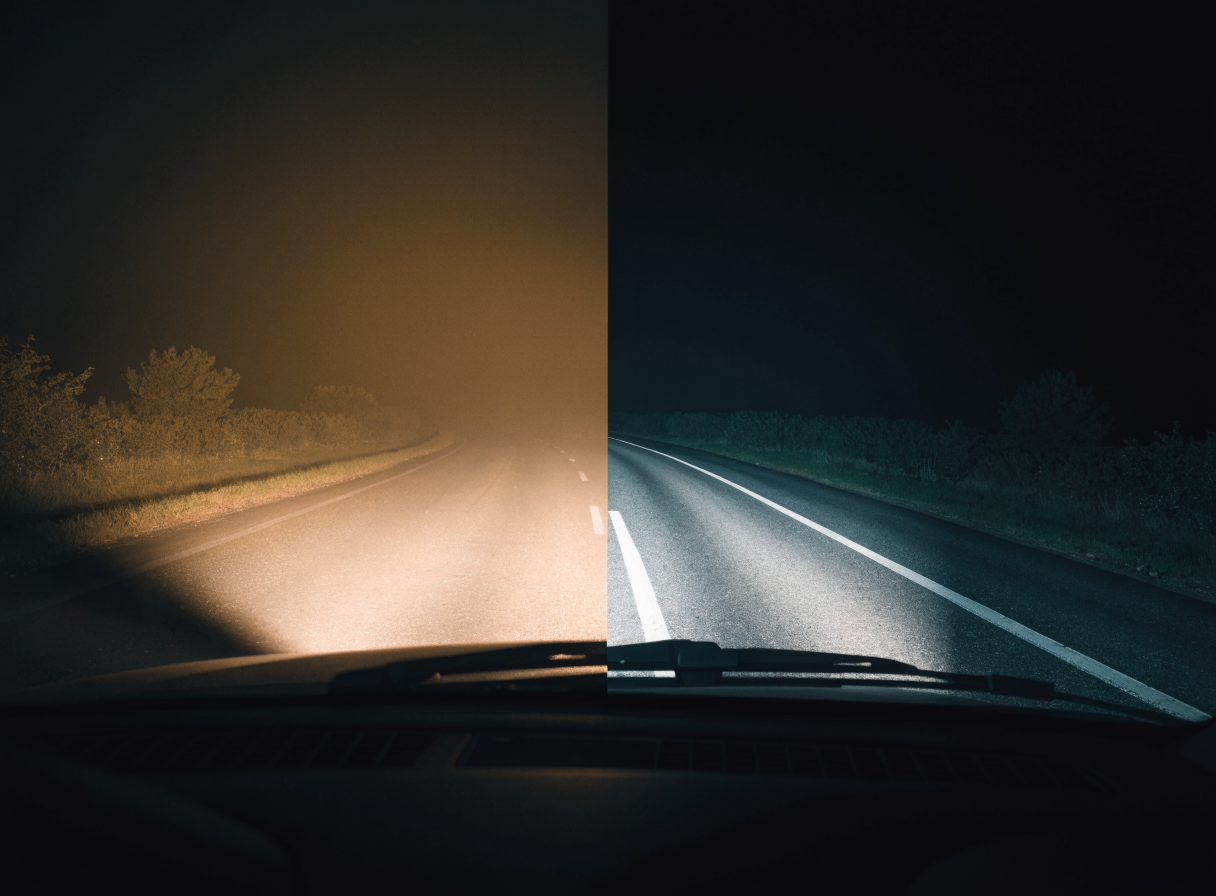
Your lenses are plastic. The sun spends years burning off their protective coating — garaged cars included — and the bare plastic underneath oxidizes into a frosted, amber film. The film sits directly in the light path and scatters the beam sideways before it ever hits the asphalt, which is why the lane lines fade long before the bulbs do.
Drivers describe the look the same way: frosted Tupperware. Plenty quietly blame their own eyes. It’s usually the film.
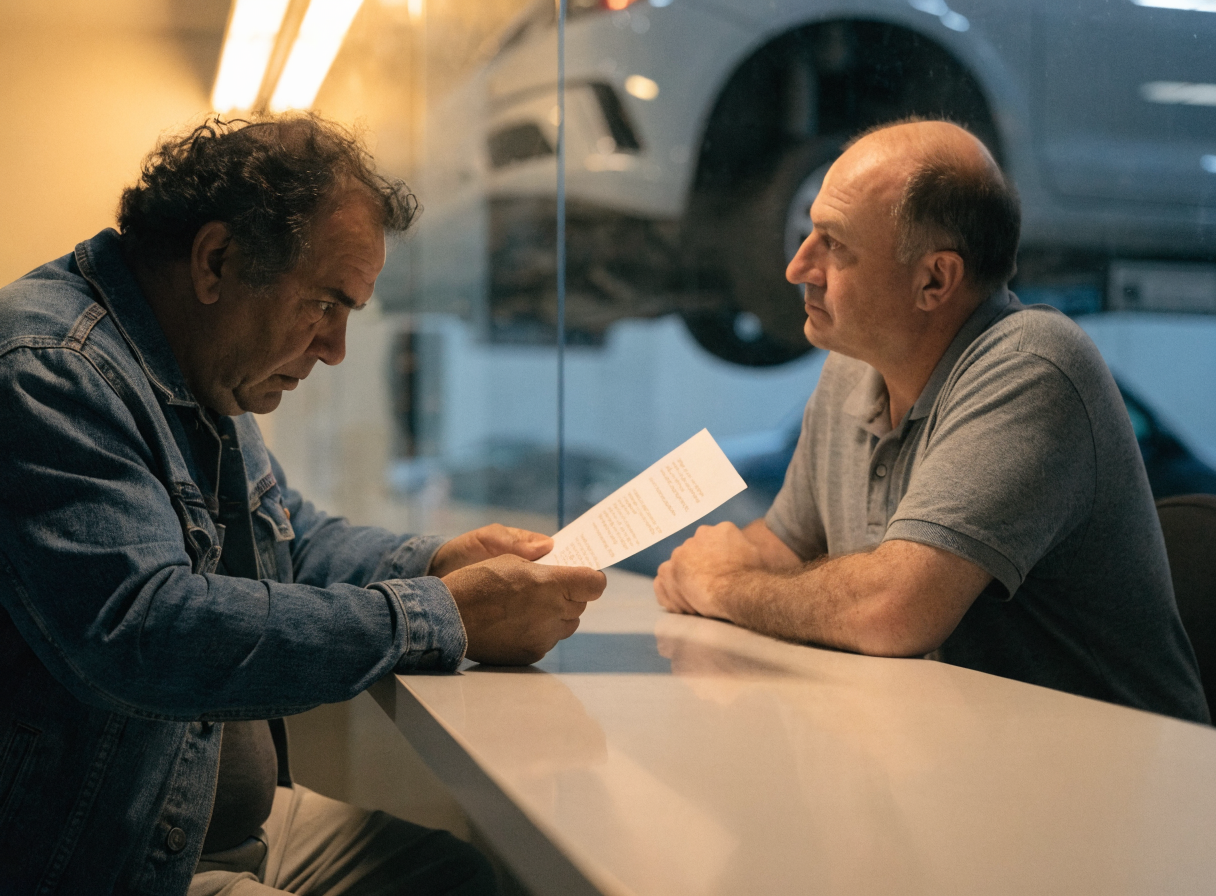
$31.95 Against a $1,000 Assembly Is the Easiest Math in the Garage
The paid routes stack up fast. Mobile pros charge $80–$150 to restore a pair of lenses. New assemblies run several hundred dollars on mainstream cars and typically $1,000 or more per unit on luxury and LED-equipped models — parts only, before the labor, and on plenty of models the bumper comes off to do it.
The kit is the same class of fix: strip the film, seal the lens. The difference is the labor line, because the labor is yours — one driveway session.
Spray. Lift the Yellow. Seal It in Ceramic.
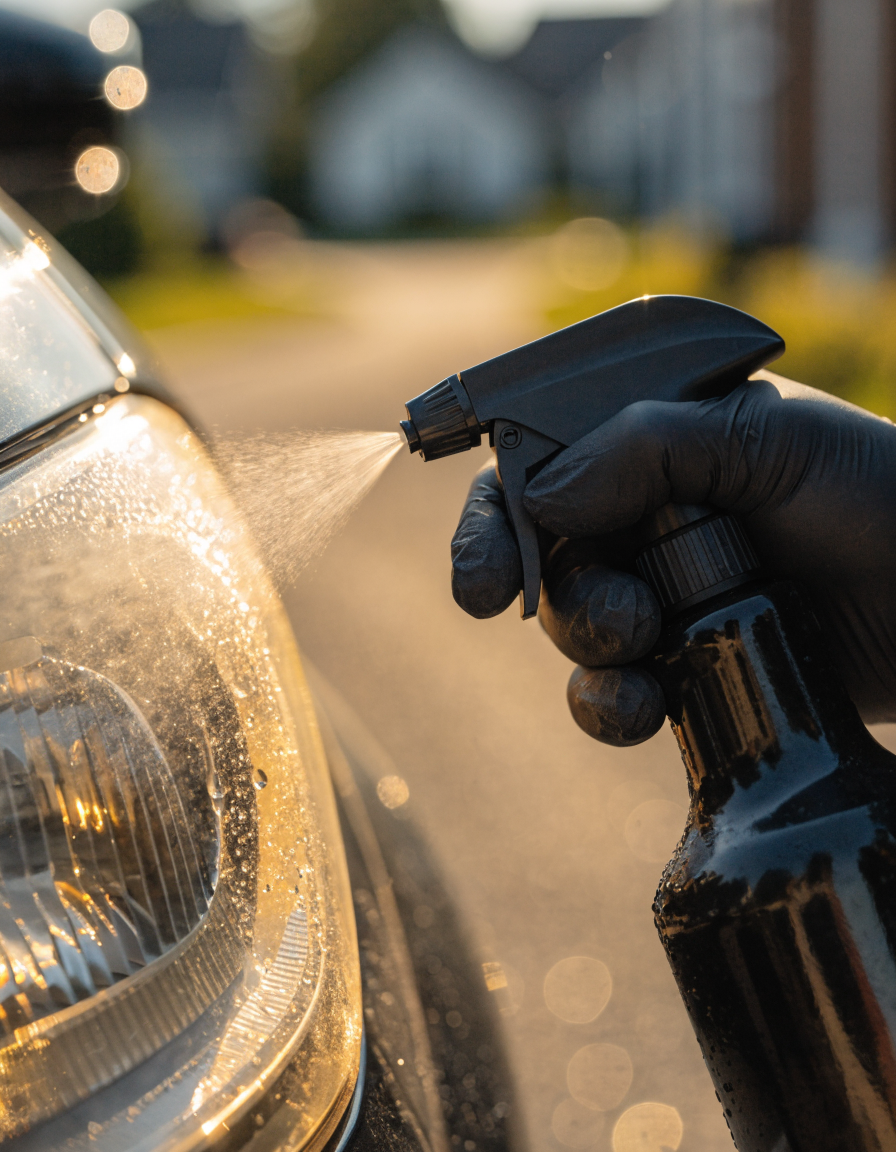
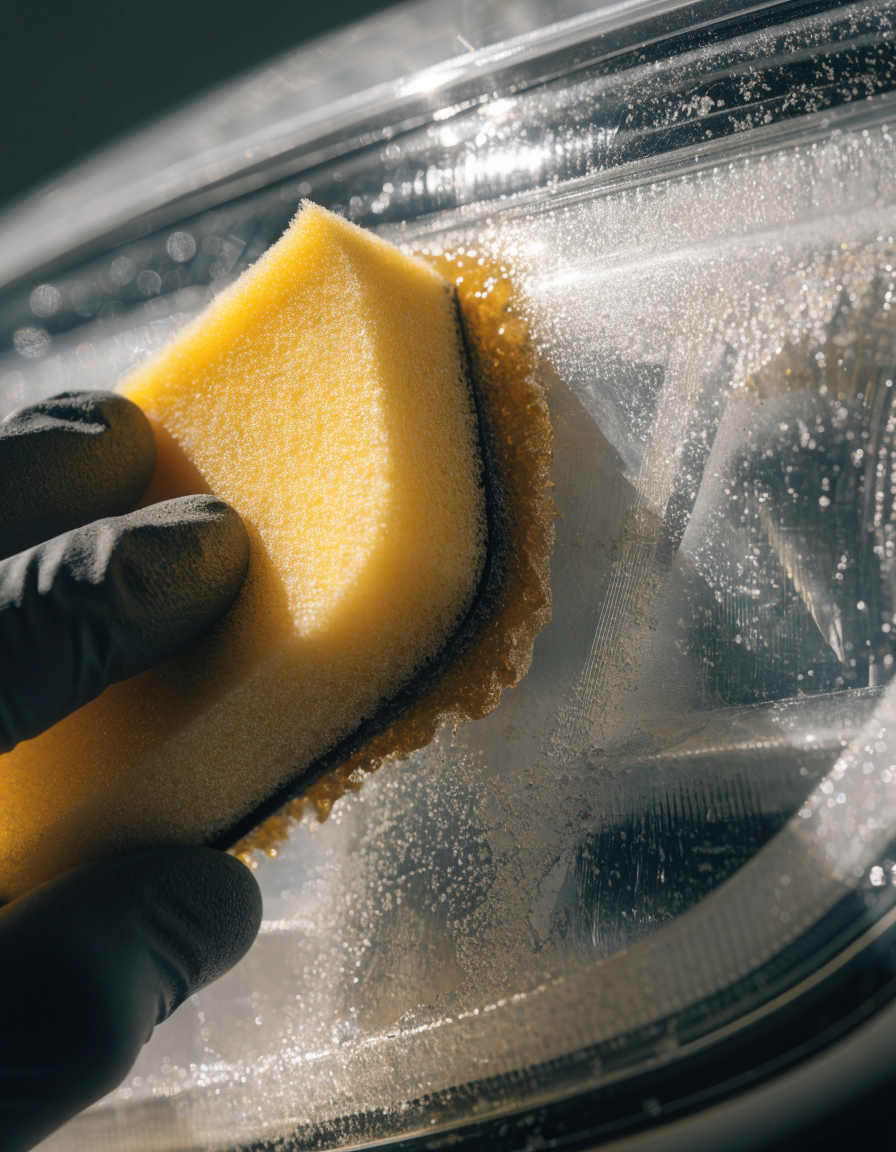
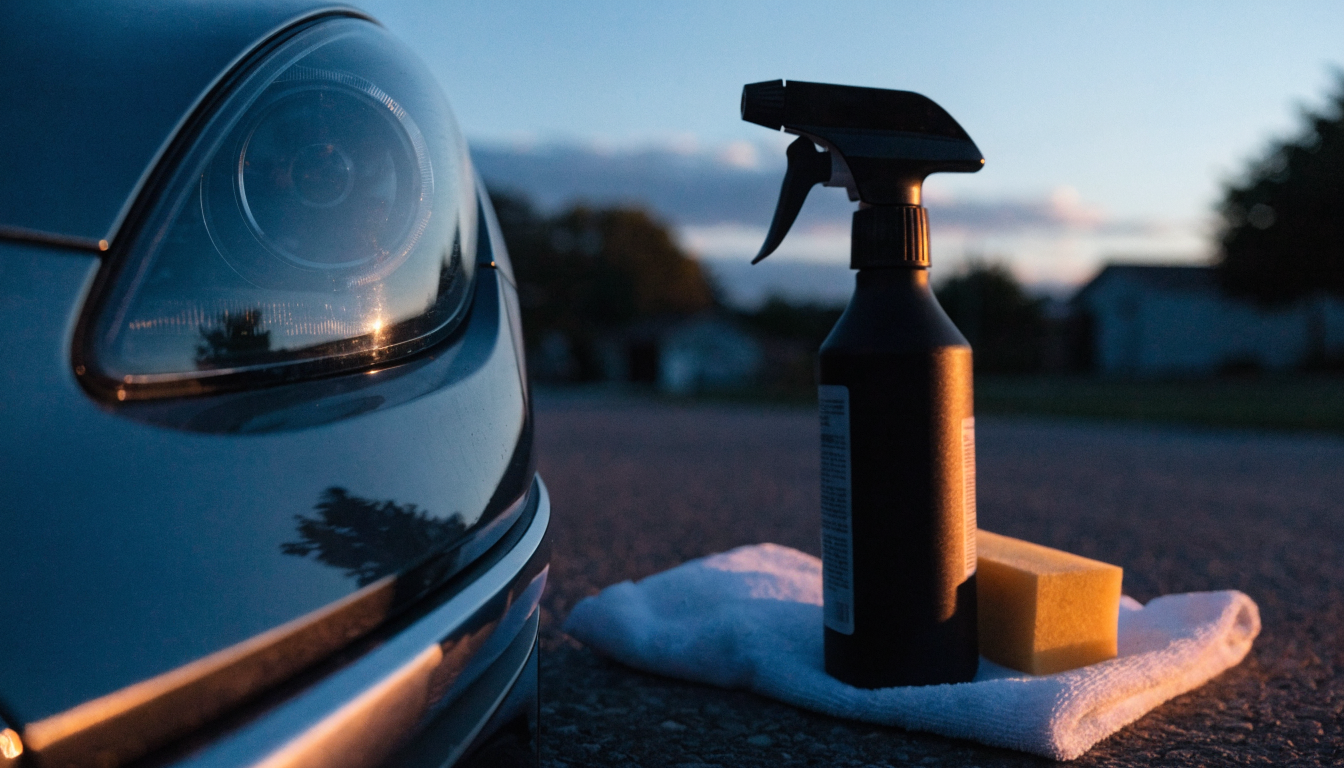
Three moves. Spray the remover onto the lens and let it break the oxidation’s grip. Work the applicator over the surface — the yellow lifts off onto the sponge, where you can see exactly what’s been sitting between your bulbs and the road. Then the ceramic coat goes on and locks the clear finish in.
That last step is the one the bargain-bin kits skip. Stripping the film without sealing the plastic leaves the lens naked in the sun, already starting the burn again. The ceramic coat is what stands between your lenses and a repeat.
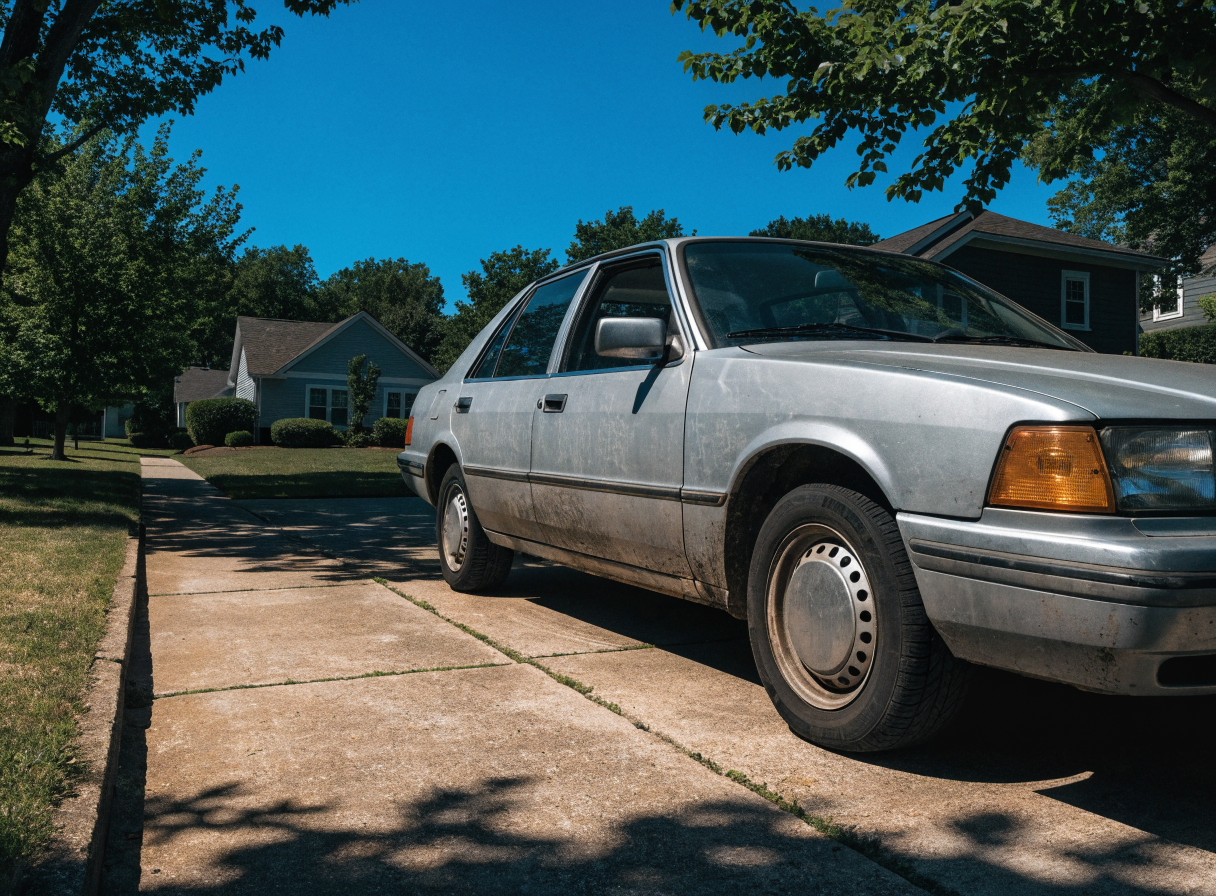
The Ceramic Coat Is the Difference Between a Fix and a Repeat
The film came back after your last fix because nothing was standing between bare plastic and the sun. A sealed lens ages differently — the coat takes the UV instead of the plastic, which is the entire reason this kit ends the cycle instead of restarting it.
The honest edge: if the haze is inside the lens assembly — cracks, internal moisture — no exterior kit reaches it, this one included. For surface oxidation, which is what the sun does to almost every lens, run it on one headlight and compare at dusk. The 30 days exist so you can check the result against your own driveway, not our word.
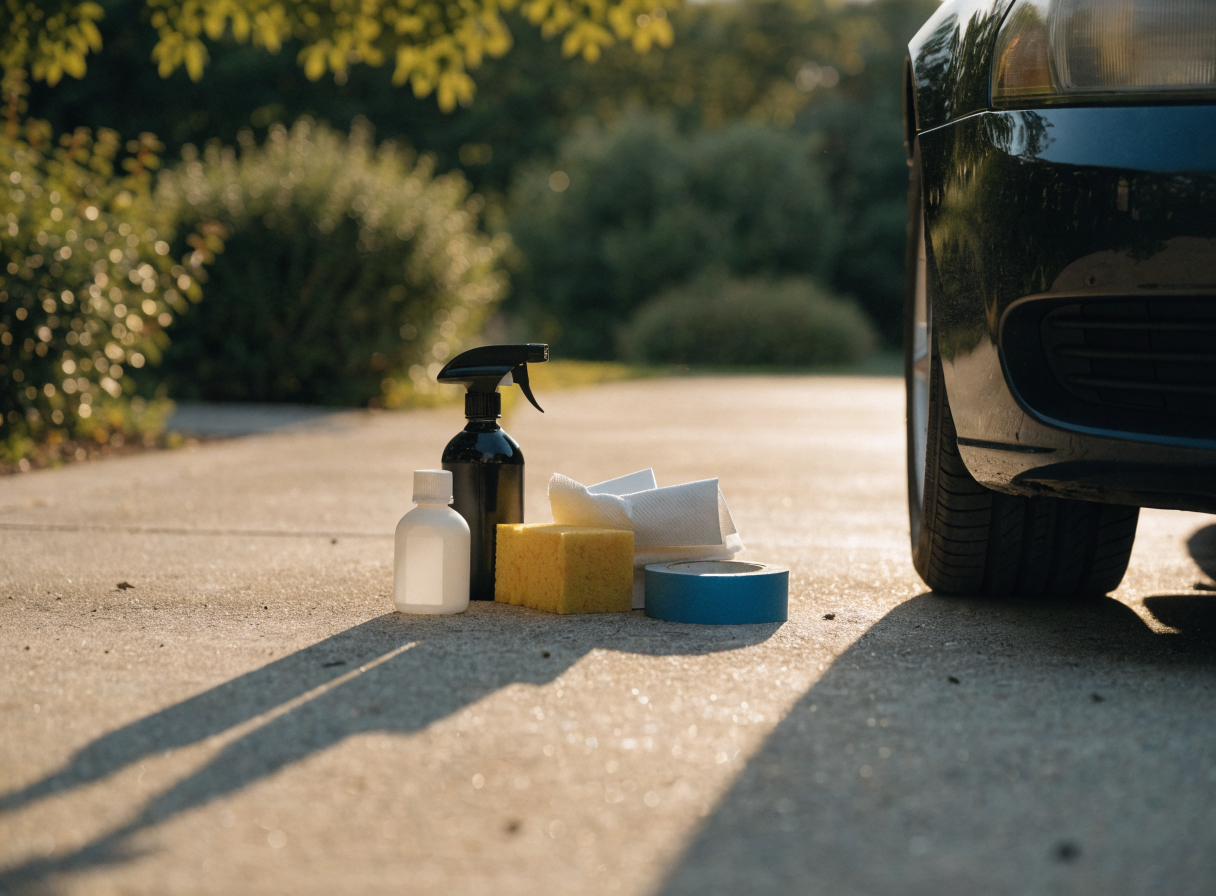
The Whole Job Is a Spray Bottle, a Sponge, and One Driveway Session
No drill. No buffer wheel. No shop bay and no appointment. The kit is the spray, the applicator, and the ceramic coat — add paper towels from the kitchen and a strip of painter’s tape around the lens if you want to be careful about the paint, though the formula itself is paint-safe.
Both headlights in one session, and the fog lights are the same plastic if you’re on a roll.
The DriveBright Headlight Restoration Kit: an 8 oz spray-on oxidation remover, an applicator that lifts the yellowing off the lens, and a ceramic coat that seals the clear finish in. Paint-safe, no power tools, both headlights in one driveway session.
Why $28 off? Fall is almost here, and the early sunsets are when a hazy lens stops being cosmetic. We’d rather have these on cars before the clocks change than sitting in a warehouse after. When the sale ends, the price goes back to $60 — that’s the whole story.
$31.95 puts sealed, clear lenses on it before the next night drive — $28 off while the Fall Sale runs, free shipping, one driveway session, 30 days to change your mind.
Clear Them This Saturday →